Classic and Collector Car Detailing in Ashland Ohio Focused on Preservation and Precision
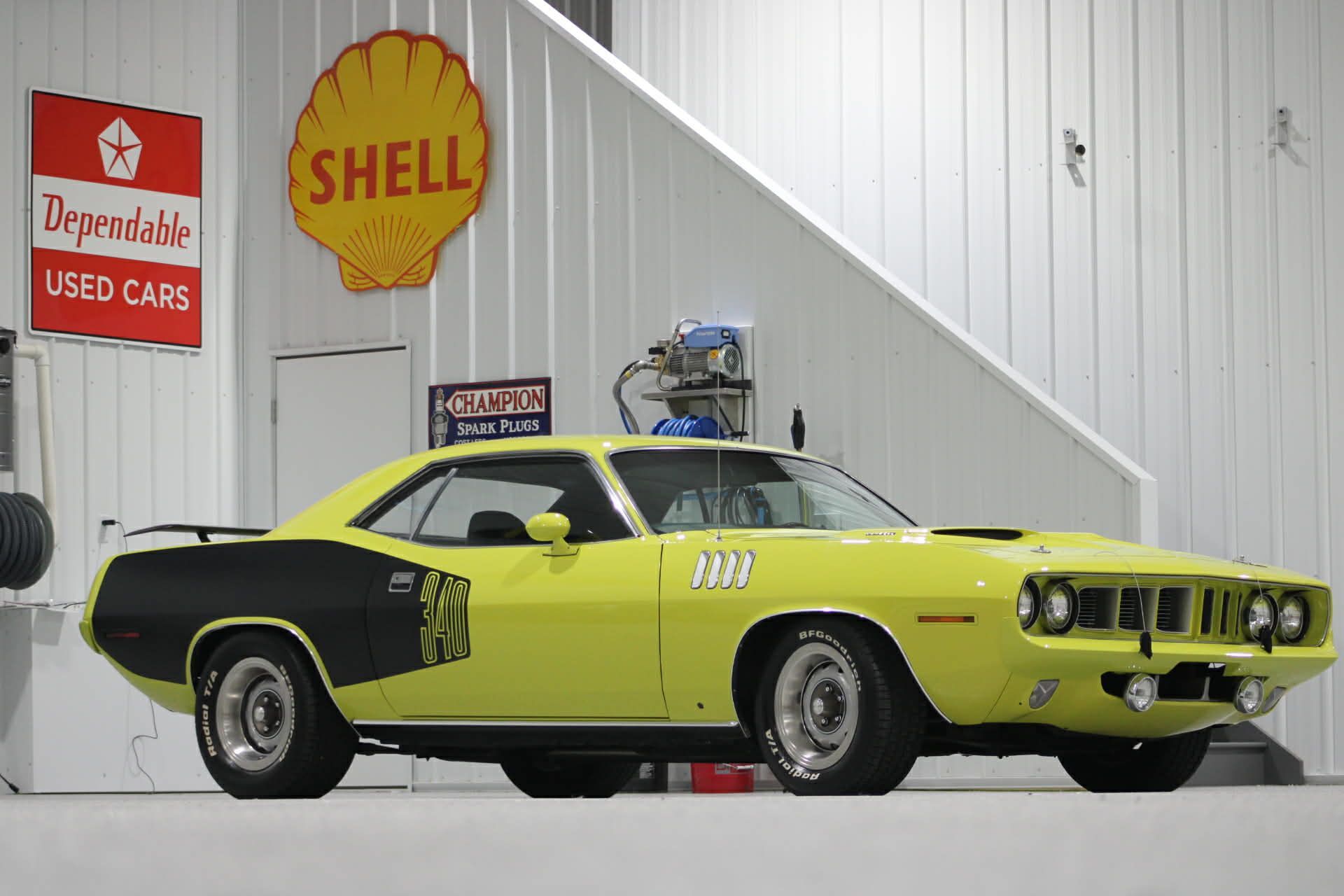
There is a quiet responsibility that comes with working on a true classic. In Ashland, where back roads still invite weekend drives and garages often house decades of automotive history, restoring classic and collector cars demands something far more intentional than modern vehicle reconditioning. It requires balance. Not just between gloss and depth, but between perfection and preservation.
Unlike contemporary vehicles built with modern clear coats, synthetic trim, and uniform materials, classic automobiles carry age in every surface. Single stage paints, lacquer finishes, delicate chrome, original rubber seals, and hand-stitched interiors respond differently to correction and protection. What improves a late-model performance car can easily diminish the integrity of a vehicle built forty or fifty years ago. That distinction shapes every decision.
The approach begins with restraint.
Rather than chasing aggressive correction, restoration work centers on evaluation. Paint thickness is measured. Original finishes are carefully assessed for character versus damage. Swirls and oxidation are treated differently when the underlying goal is preservation of factory authenticity rather than cosmetic overachievement. In many cases, slight patina is part of the story, and the objective becomes enhancement without erasure.
Chrome and brightwork require similar sensitivity. Older plating can be thinner and more vulnerable to over-polishing. The goal is clarity and reflection without compromising the metal beneath. Trim pieces, emblems, and delicate badging are treated individually, often by hand, ensuring no sharp edges or aging adhesives are stressed during the process.
Interior restoration demands an equally measured hand. Vintage leather behaves differently than modern coated hides. It breathes differently. It absorbs differently. Conditioning products must be selected and applied with awareness of age and prior care. Original vinyl, wood veneer, and metal switchgear all carry unique vulnerabilities. Revitalizing them is less about shine and more about stabilization.
Mechanical restoration and cosmetic refinement often intersect in collector work. Engine bays are not simply cleaned; they are respected. Original finishes are preserved when possible. Hoses, clamps, and hardware are handled with care, particularly when originality influences long-term value. Even the decision to replace versus refurbish carries weight.
For collectors with multiple vehicles, consistency becomes its own discipline. A single classic may receive meticulous, one-on-one attention, but entire collections introduce logistical complexity. Storage conditions, maintenance schedules, protection strategies, and long-term preservation planning all play a role. Whether managing a climate-controlled showroom or a private garage filled with generational heirlooms, the objective remains the same: safeguard history without rewriting it.
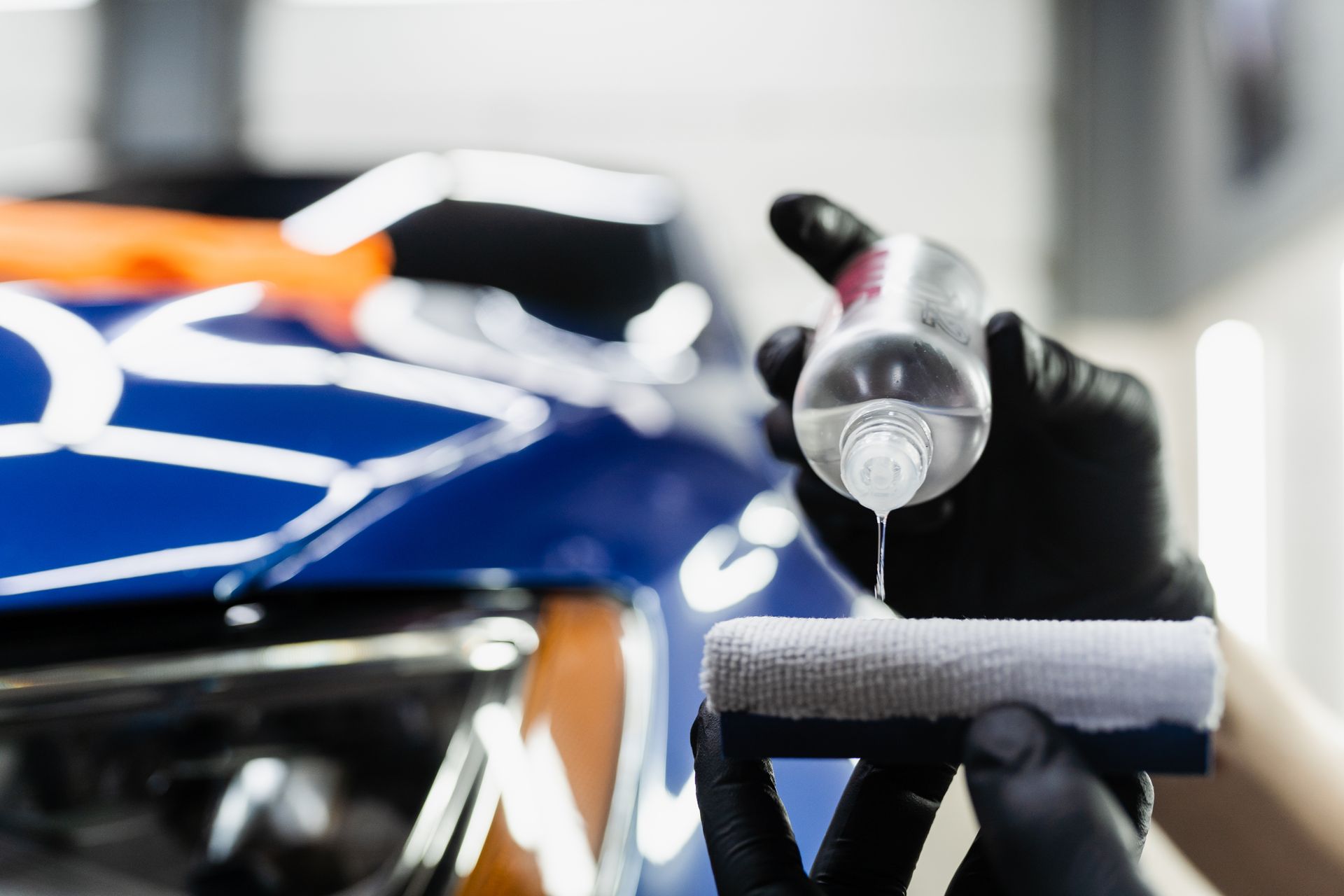
Paint enhancement and protective treatments for classic vehicles are applied with intention. Modern protective solutions can offer significant benefits, but they must complement older finishes rather than overwhelm them. Application techniques are adapted. Surface preparation is gentler. Cure times and environmental considerations are carefully controlled. The outcome should feel authentic to the era of the vehicle while still delivering durability appropriate for modern driving.
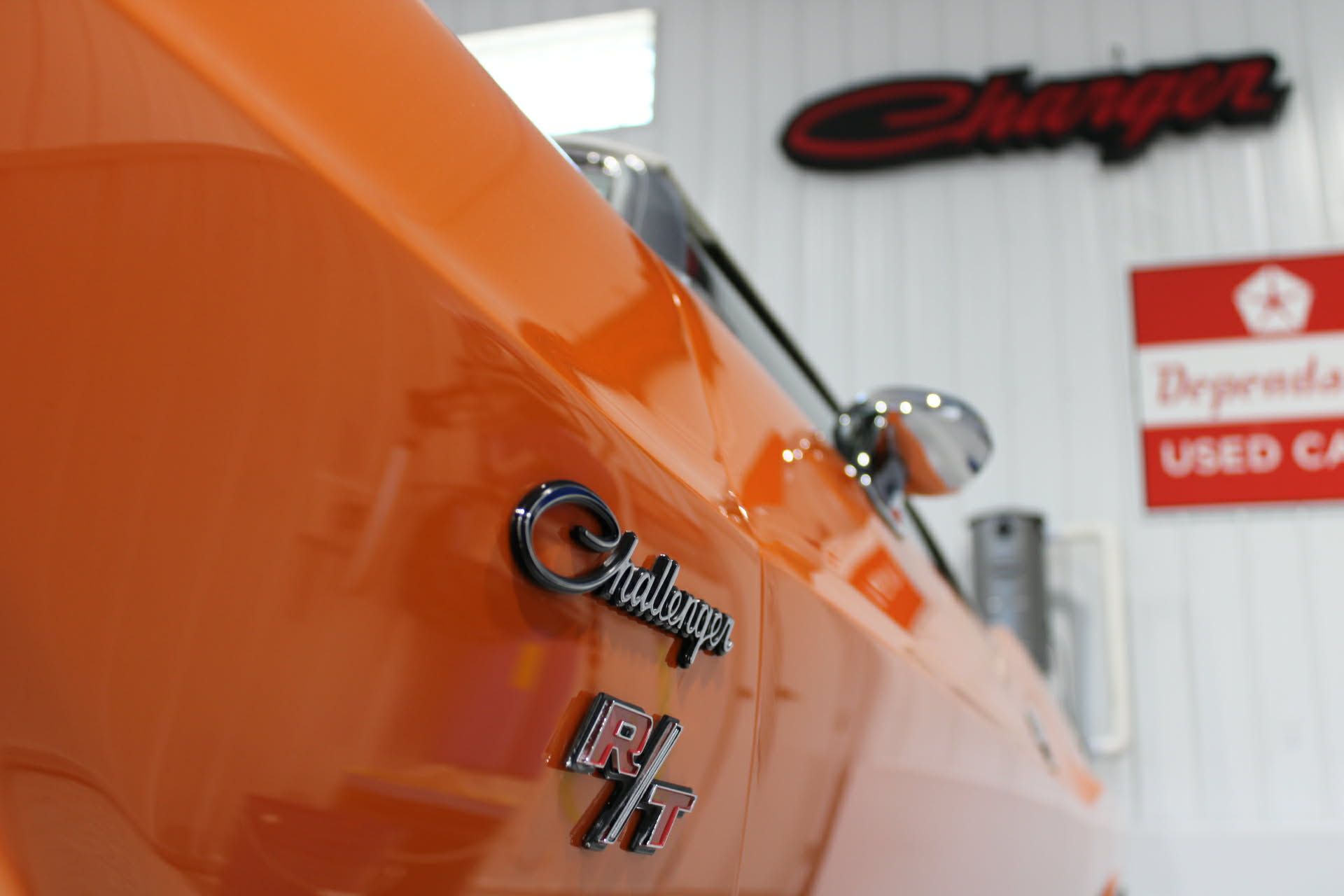
Driving is important. Collector cars are meant to move, to be seen in motion, to reflect sunlight across long fenders and sculpted quarter panels. Protection strategies are built around that philosophy. Road debris, environmental fallout, and seasonal storage all factor into how a vehicle is maintained after restoration. Preventative care is often more valuable than corrective intervention.
There is also the emotional component.
Classic and collector cars are rarely anonymous. They are inherited, discovered, hunted down, or painstakingly revived from years of neglect. The restoration process becomes part of their ongoing story. Every decision must respect both the mechanical reality of the machine and the personal connection behind it.
In Ashland and the surrounding Ohio countryside, shifting seasons create additional considerations. Temperature swings, humidity, and storage conditions all influence how older materials age. Protective strategies account for these variables, helping ensure that restored finishes remain stable long after the work is completed.
From individual vehicles to complete collections, the philosophy does not change. Each automobile is evaluated on its own history, construction, and condition. Some require careful correction and preservation. Others need more extensive revival. What remains constant is the commitment to balance.
Perfection, when approached without context, can erase character. Preservation, when done without refinement, can leave potential unrealized. True classic car restoration lives between those two ideas.
When the work is complete, the vehicle should not look modernized or altered. It should look like itself, only healthier. Paint should hold depth without appearing overworked. Chrome should reflect cleanly without losing its original edge definition. Interiors should feel refreshed without losing their authenticity.
The result is not simply a restored car. It is a piece of automotive history stabilized for the next chapter, ready to be driven, displayed, and appreciated with confidence.
And in a space where heritage matters as much as horsepower, that balance makes all the difference